Tracing Toronto’s queer history
TV interview · TVO Today with Nam Kiwanuka · July 2017 · 27 min
How did a city known for its rigid morality become home to so many queer communities? On TVO Today, Nam Kiwanuka talks with co-editors Maureen FitzGerald and Rahim Thawer about Any Other Way: How Toronto Got Queer, a collection that grew from a planned history of the Church-Wellesley Village into essays reaching back to the 1800s.
Rahim explains that he joined the editorial group because he felt connected to stories others might not reach, wanted to learn Toronto’s own queer history rather than borrowing San Francisco’s and New York’s, and hoped to bring in writing from queers of colour. He reflects on a generational gap, suggesting some younger queer people take hard-won gains for granted, and contrasts an inward focus on bodies and gym culture in some Village scenes with outward community building. He distinguishes gay, which describes attraction, from queer as a politicized identity that questions heteronormative values.
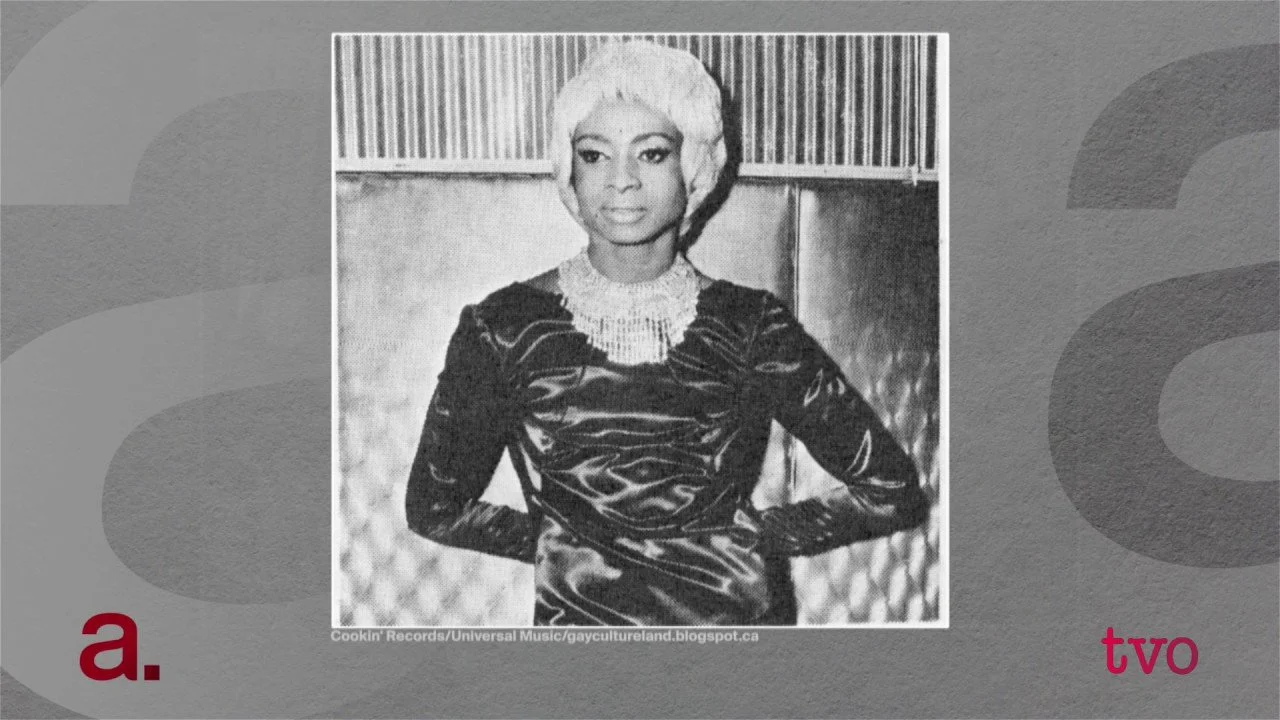
FitzGerald explains the title’s tie to rhythm and blues singer Jackie Shane and recounts how a 1977 child murder fuelled moral panic, policing and the “cleanup” of Yonge Street, and how the raid on The Body Politic became a galvanizing moment. Rahim adds that Toronto has been queered not only from the Village outward but through enclaves in suburbs and schools, since queer people shape spaces simply by existing.
Rahim says the Village still matters as a place to find community and organize, noting that Salaam Canada holds meetings there, but that rising costs push people out and the space can feel predominantly white. On Pride, he describes community contingents for whom visibility is political, questions the prominence of corporate floats, and says he would welcome a smaller party that took inclusion seriously. The pair also discuss the loss of public gathering spaces like the steps outside a Village coffee shop.
Asked what the city should prioritize, Rahim calls for a large-scale anti-poverty strategy, inclusion that starts with class rather than tokenism, and pushback against police regulation of public space. FitzGerald adds housing and the urgent need to address anti-Black racism.
What it covers
- Toronto queer history
- Any Other Way
- Gay and queer identity
- Pride, corporatization and gentrification
- Intersectional community building
Related on this site
Archived record: doi.org/10.5281/zenodo.19037760