
FREE INTERACTIVE CLINICAL LEARNING RESOURCES
Clinical Training &
Reflexivity Lab
Fifteen interactive simulations for learning to recognize, process, and use transference and countertransference with greater clinical intention.
Move from noticing your own reactions, to developing psychodynamic language for what may be happening, to deciding how reflexive understanding can inform clinical intervention.
HOW THE LAB WORKS
Your reaction is part of the clinical material.
Each simulation places you inside a developing therapeutic relationship. You will make interpretive judgments, receive additional information, reconsider your formulation, and eventually prepare the case for supervision.
The simulations do not score empathy or reward a single psychodynamic interpretation. Their purpose is to strengthen your ability to notice what is happening in you, examine competing explanations, and decide how that information should influence your next clinical move.
FOUNDATIONAL · BSW
Start by noticing what happens in you.
Three simulations introduce transference and countertransference through recognizable clinical reactions. The emphasis is on observation, differentiation, and developing language for experiences that can otherwise remain automatic.
I Just Don't Like This Client
A clinician notices persistent irritation and dislike. What can the reaction tell us before it begins shaping the treatment?
The Client Who Needs Me
Feeling important to a client can be clinically meaningful. Follow the pull toward rescuing, reassurance, and becoming especially necessary.
Whose Discomfort Is This?
A reaction appears in the room. Learn to hold several explanations while distinguishing therapist experience, client material, and the relationship between them.
THE NEXT LAYER
A reaction becomes more useful when you can trace what it does.
Intermediate simulations follow countertransference into therapist behavior, relational roles, boundaries, identity, interpretation, and somatic experience.
INTERMEDIATE · MSW
Follow the reaction into the relationship.
Seven simulations increase the demand on formulation. Learners examine where reactions may come from, how they alter clinical participation, and how recurring roles can develop between therapist and client.
The Client Who Makes You Feel Incompetent
A clinician begins doubting their competence in one particular treatment. Examine the origins, triggers, manifestations, and relational effects of the response.
Just Tell Me What to Do
Repeated requests for direction begin pulling the clinician toward expertise and decision-making. Explore role responsiveness and distributed authorship.
The Exception
A series of reasonable requests gradually changes the therapeutic frame. Track cumulative boundary pressure, flexibility, and the meaning of special exceptions.
When the Client Says It
Race, identity, authority, and therapist subjectivity enter the room directly. Work with racialized transference and cultural countertransference without flattening power.
You Remind Me of Someone
The client begins activating a familiar relationship from the therapist's own life. Examine overidentification, recognition, and reformulation.
Resistance or Protection?
Therapist impatience makes one formulation increasingly appealing. Consider defensive function, interpretive timing, and what changes when curiosity narrows.
Are You Still With Me?
Drowsiness repeatedly appears during one client's trauma narrative. Use somatic countertransference as information while preserving uncertainty about what the sensation means.
ADVANCED PRACTICE
The therapist is already inside the system being examined.
The final five simulations remove much of the earlier scaffolding. Client perception may be accurate. Therapist reactions may contain desire, aggression, admiration, or self-interest. Institutional authority can amplify the consequences of clinical judgment.
Advanced reflexivity requires the learner to hold competing formulations long enough to understand what each participant contributes and what professional responsibility requires.
ADVANCED · 5+ YEARS IN PRACTICE
Work with enactment, power, and uncertainty.
Five simulations ask experienced clinicians to work with mixed motives, accurate client perceptions, relational rupture, institutional authority, and countertransference that cannot be reduced to a single source.
You Already Decided
A client accurately notices changes in the therapist before the therapist has fully acknowledged them. Examine transference, real relationship, and mixed motives.
Do You Find Me Attractive?
Genuine therapist attraction enters the treatment alongside client desire, personal gratification, boundary anxiety, and the pull toward both closeness and retreat.
Firmness or Punishment?
A legitimate clinical boundary begins carrying anger and satisfaction. Trace dislike, retaliation, third-party identification, and the ethical containment of aggression.
What Are You Going to Write?
Countertransference enters documentation with consequences outside therapy. Work with protectiveness, institutional authority, advocacy, and gatekeeping power.
What Do You Actually Think of Me?
Integrate therapist subjectivity, role responsiveness, identity, power, admiration, rupture, actual therapist behavior, and uncertainty into a full reflexive formulation.
THE REFLEXIVE QUESTION
Once I understand more about my reaction, do I have more ways to respond?
The purpose of the lab is greater clinical freedom. Countertransference becomes useful when the clinician can notice a response, locate its possible sources, understand its effect on the relationship, and decide what deserves supervision, further observation, or careful use in session.
START WITH FOUNDATIONALRead, watch and listen
Your reaction is clinical material
Extend your reflection into shared identities, professional curiosity, and the effects of unexamined bias.
 Cultural Safety & CountertransferenceWhen you work in a community you belong to, sameness shapes the transference. Five vignettes and supervision questions for therapists.
 Cultural safety and countertransferenceA SACAP webinar on working in communities you belong to: shared identity, countertransference and supervision strategies.
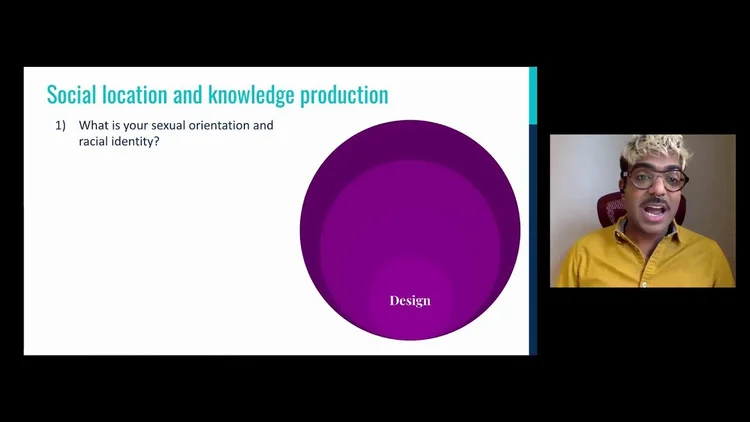 When curiosity sends the wrong messageA keynote on bias in sexuality research, education and therapy, and why curiosity needs reflexivity.
Where to go next
Clinical supervision
Bring the reactions these scenarios stir up into ongoing, reflexive case consultation.
Continuing education
Structured CE pathways in psychodynamic practice, supervision and anti-oppressive care.
Differential Diagnosis Lab
Case-based practice telling similar presentations apart.