I’m More Than One Thing
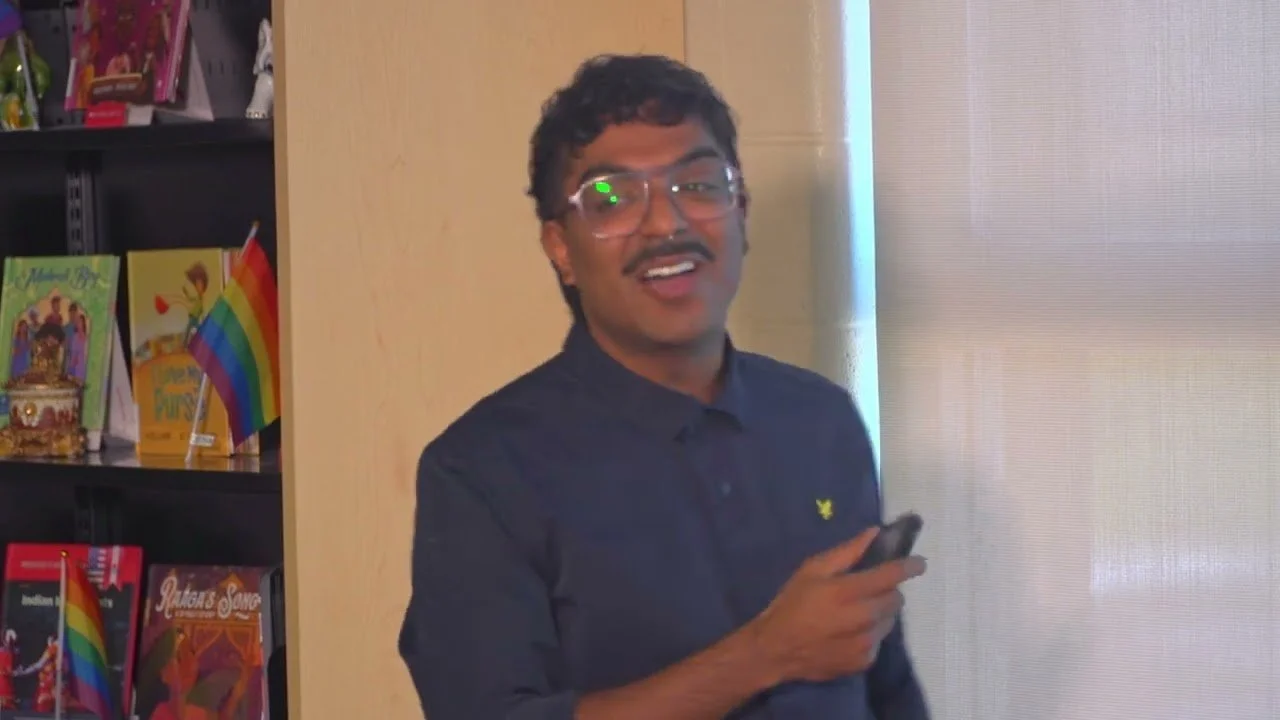
School talk · Peel District School Board (YANA) · May 2024 · 47 min
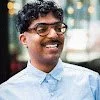
Recorded live at Sunny View Middle School for the Peel District School Board’s YANA program, this talk shares Rahim’s own story of growing up as a queer, South Asian, Ismaili Muslim young man in Etobicoke. He opens by explaining why, though he is more than one thing, he sometimes has to focus on difference: his experiences were rarely represented, and dominant stories will always be told more often.
He then walks students through his years from grade five to twelve. He describes nearly failing early grades before a teacher’s encouragement became a turning point, and the awkwardness of a world divided by gender when all his friends were girls. In middle school, questions about where he was from led him to learn about the South Asian diaspora and how colonial labels like “East Indian” and “West Indian” came about. Name-calling about how he walked and talked brought anger and sadness, and he threw himself into schoolwork and clubs, found warmth among elders in his religious community, and tried to act more masculine, which at times meant joining in when others were targeted. He names this punching down.
High school brought a few trusted friends he came out to, and in his final year, growing fear that his religious community would reject him, along with a long stretch of sadness and missed classes. At university he came out to his older brother, went through a period of anger at religion and felt let down by some straight friends. Experiences of aggressive homophobia, including a friend being assaulted, taught him that hateful opinions carry real consequences. Coming out to his parents at 22 was painful but felt like setting down a heavy load, and marching in Pride showed him that being queer was something to celebrate.
Rahim closes with life lessons: he does not need validation from people who have never questioned their own gender or sexuality; critiquing religious teachings is critical thinking, not blasphemy; much of what we dislike about ourselves we were taught to dislike; culture is something we actively create, not something that simply accepts or rejects us; and families can grieve what we are not while still loving us. He describes his queerness as a source of strength and critical perspective.
In the question period he reflects on how connection, rather than going it alone, helped him learn to love himself, describes his father’s eventual acceptance, and encourages students to find the people and places that act as their sanctuaries.
What it covers
- Personal storytelling
- Coming out
- Holding multiple identities
- South Asian diaspora identity
- Faith and queerness
- Finding sanctuary and community
Related on this site
- Speaking & training
- Essay: Classroom storytelling as anti-homophobia education
- Essay: Identity formation theory and queer Muslims
Archived record: doi.org/10.5281/zenodo.19038032