 Image 1 of 10
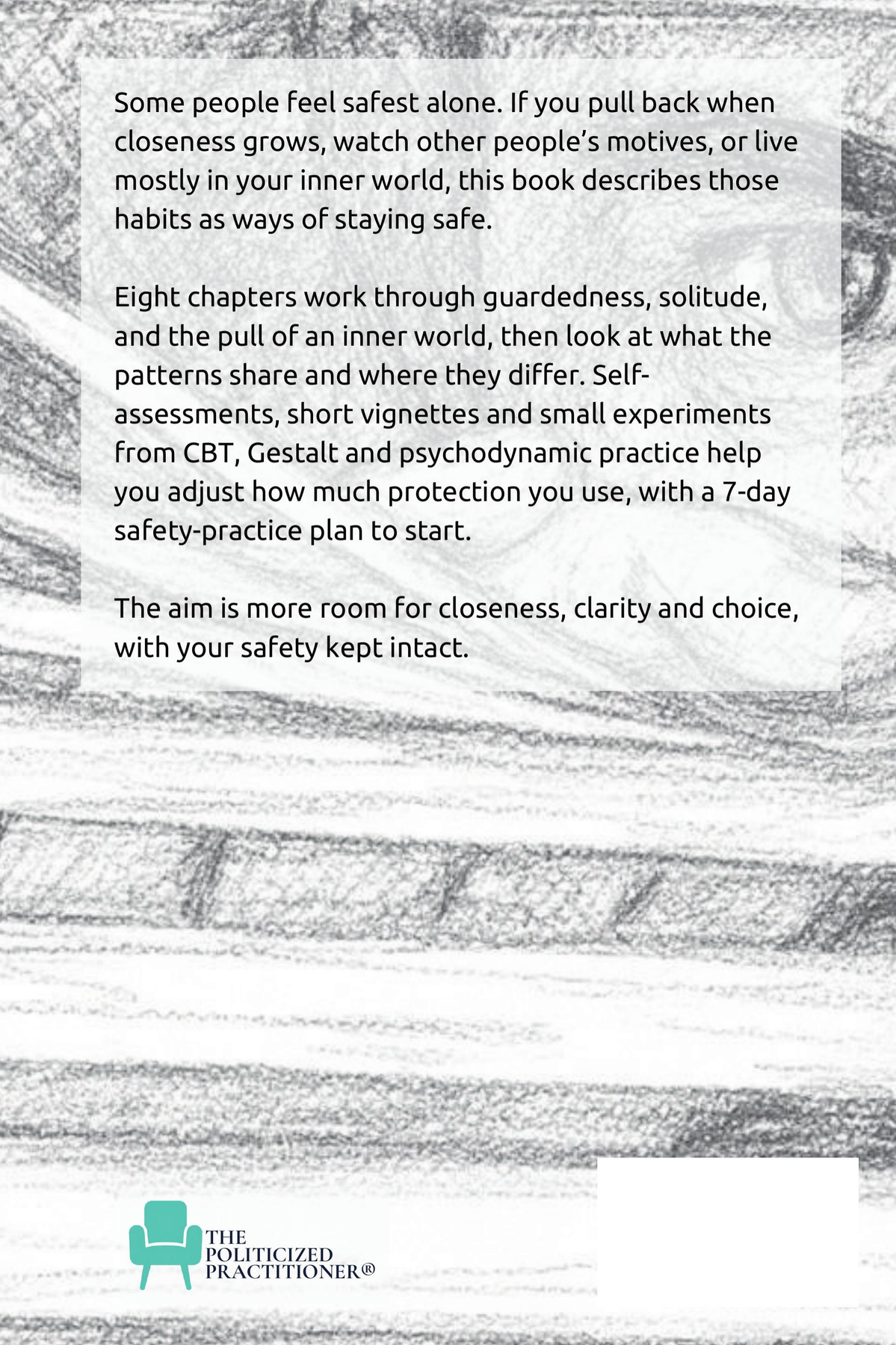 Image 2 of 10
 Image 3 of 10
 Image 4 of 10
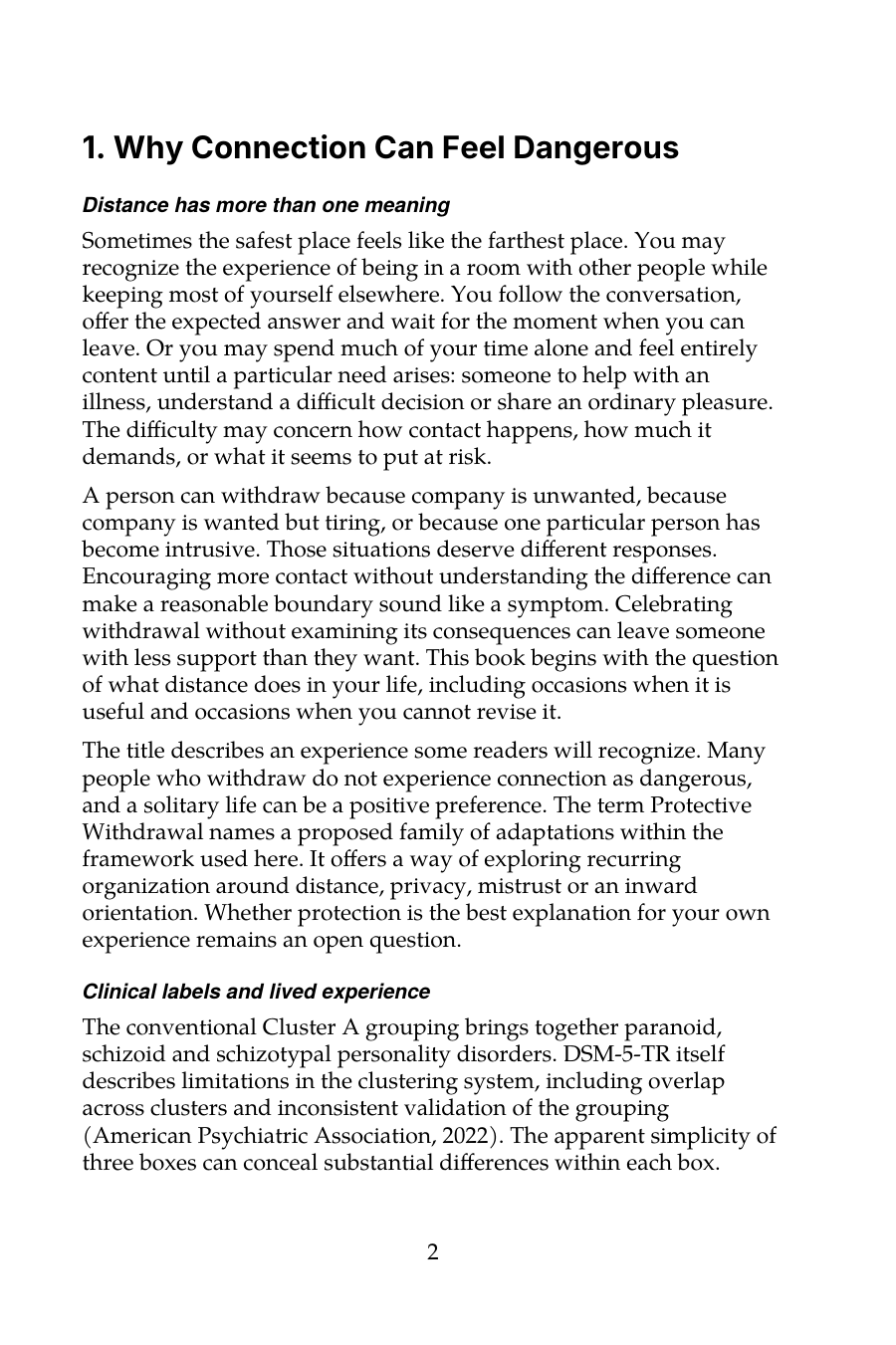 Image 5 of 10
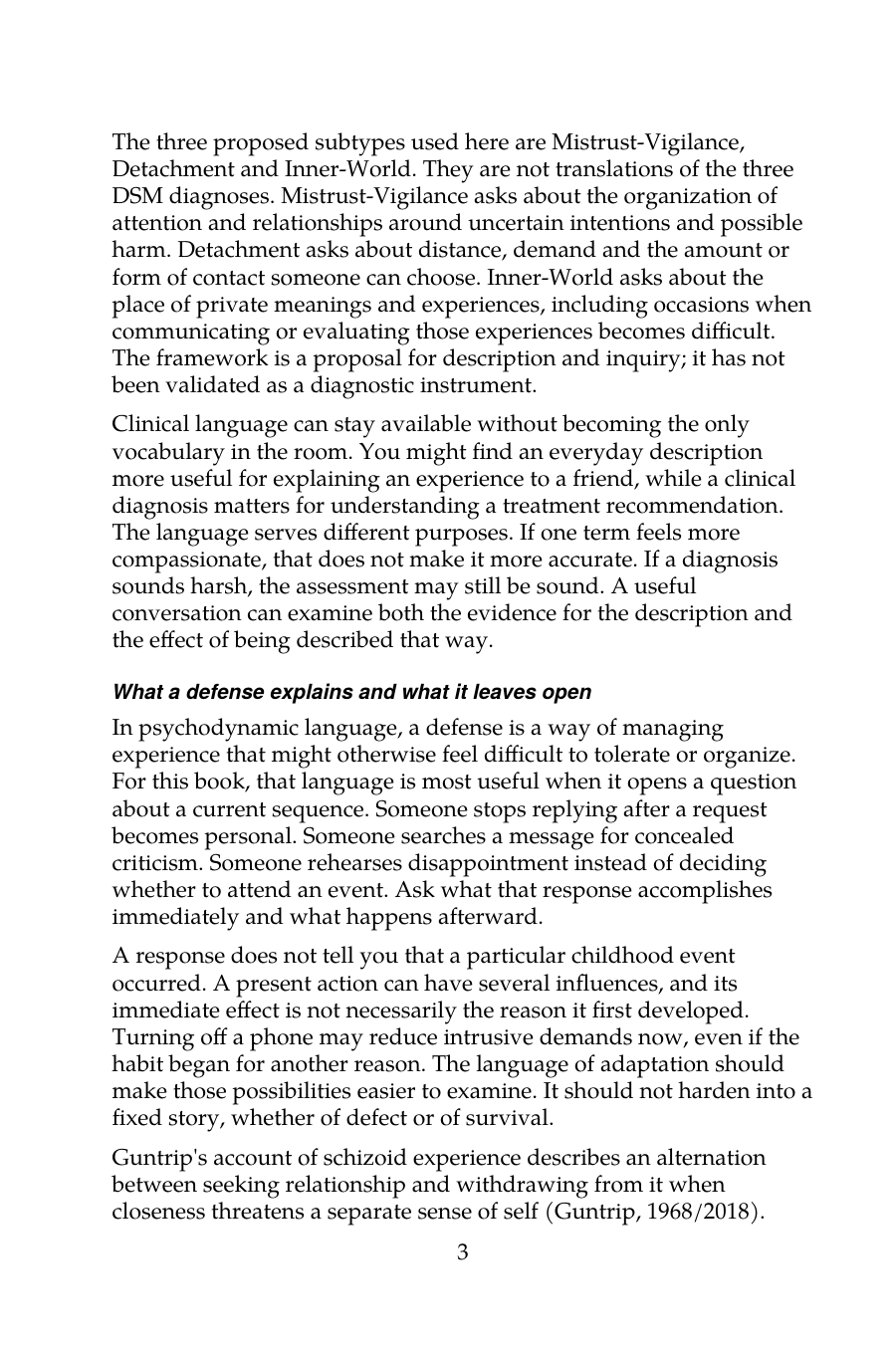 Image 6 of 10
 Image 7 of 10
 Image 8 of 10
 Image 9 of 10
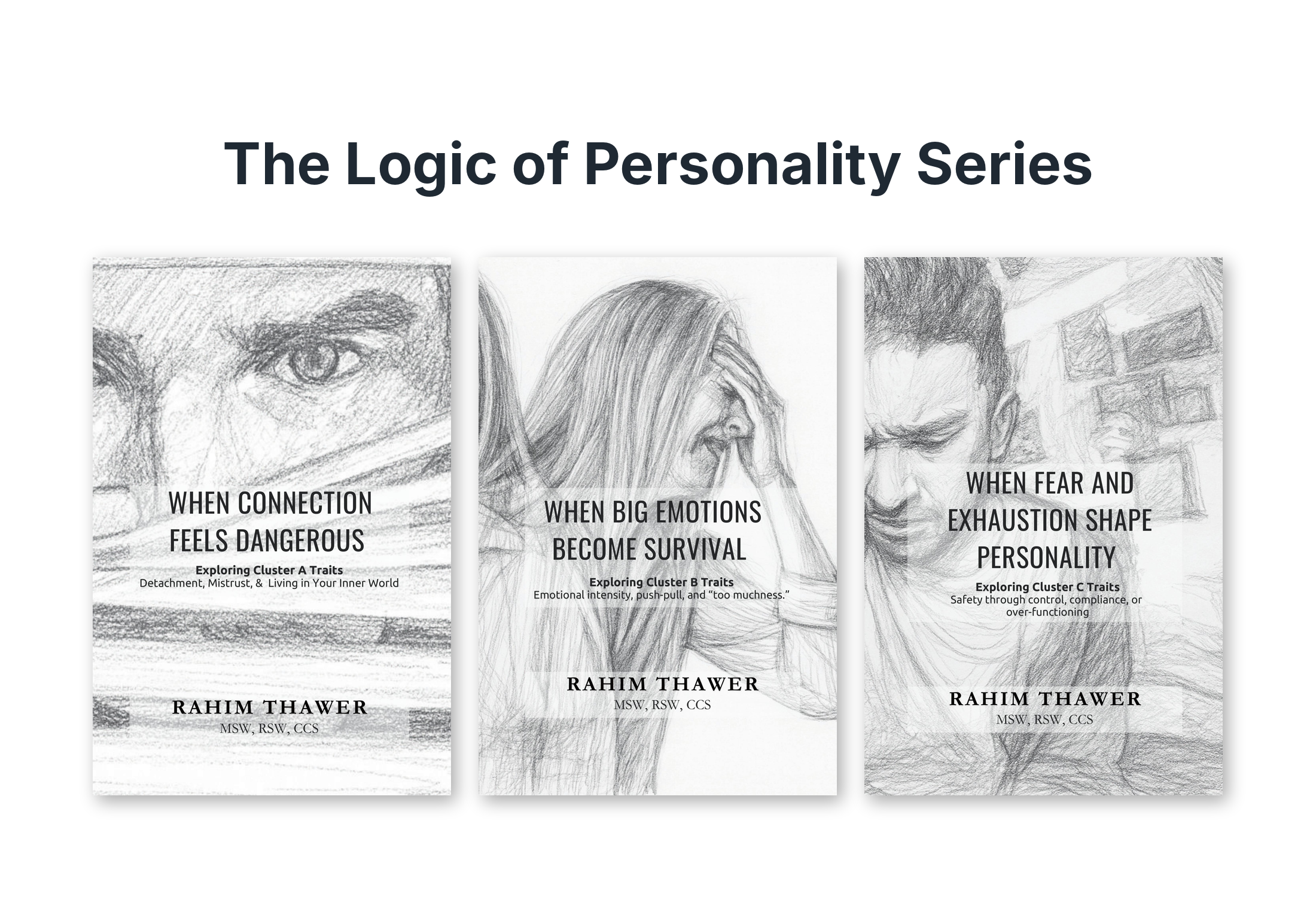 Image 10 of 10
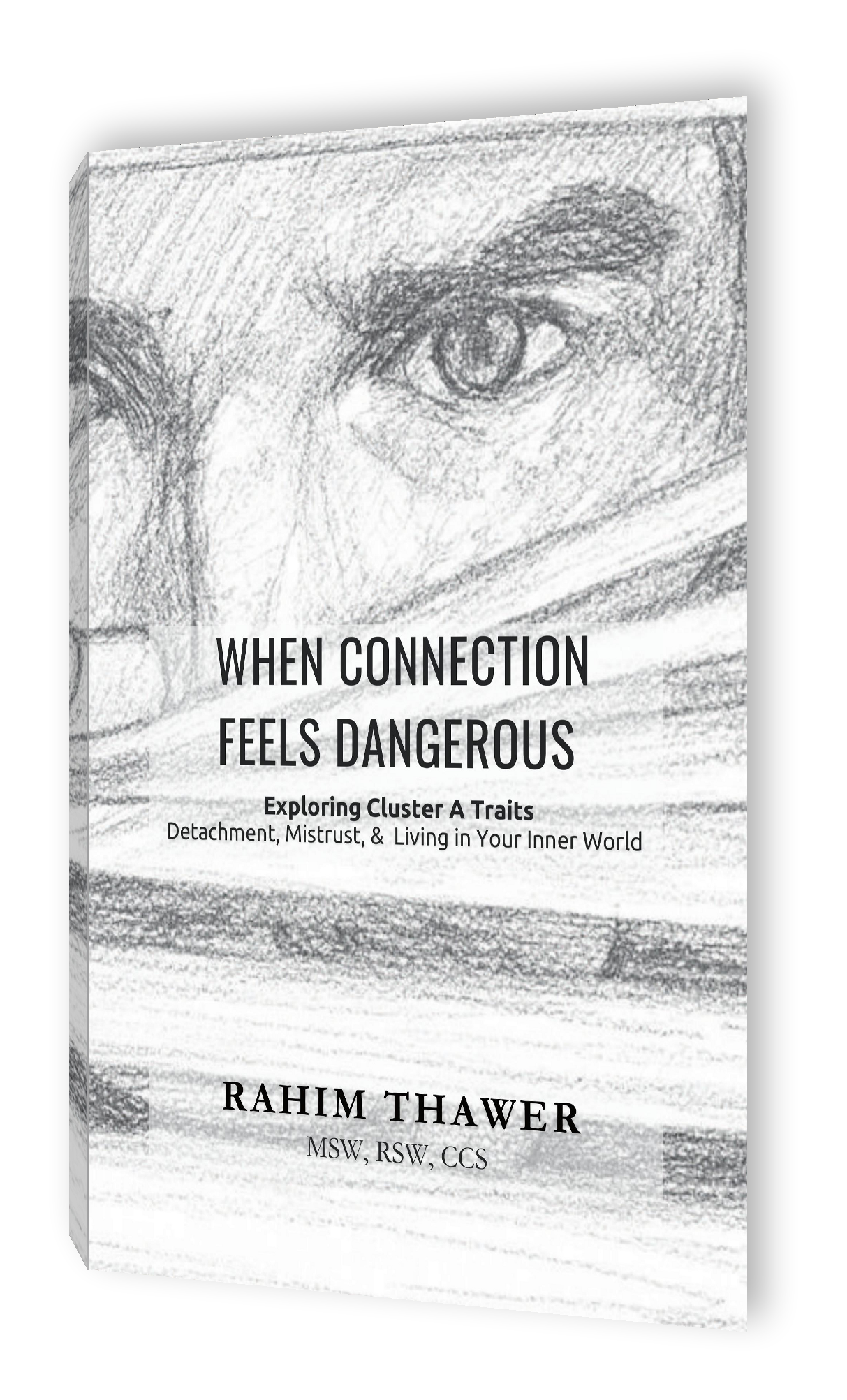
When Connection Feels Dangerous: Exploring Cluster A Traits (Paperback)
When Connection Feels Dangerous — Exploring Cluster A Traits
Some people survive by keeping their distance.
You might appear independent, self-sufficient, or emotionally reserved, while privately feeling that closeness is unpredictable, exhausting, or unsafe. Trust may feel risky. Relationships may require more energy than they seem to for everyone else.
This book explores personality patterns commonly associated with Cluster A traits through a compassionate, non-pathologizing lens. Rather than treating mistrust, withdrawal, or emotional distance as personal flaws, it examines how these strategies often develop to protect us from environments where connection once felt uncertain or dangerous.
Inside you’ll discover
why emotional distance can feel safer than closeness
how paranoid, schizoid, and schizotypal adaptations develop
the strengths and limitations of protective withdrawal
practical CBT, Gestalt, and psychodynamic exercises
reflective self-assessments and realistic case examples
closing chapters on easing chronic strain, what the patterns share, and living with both safety and connection
Whether you’re trying to understand yourself, someone you love, or the clients you support, this guide offers language that replaces shame with curiosity and judgment with compassion.
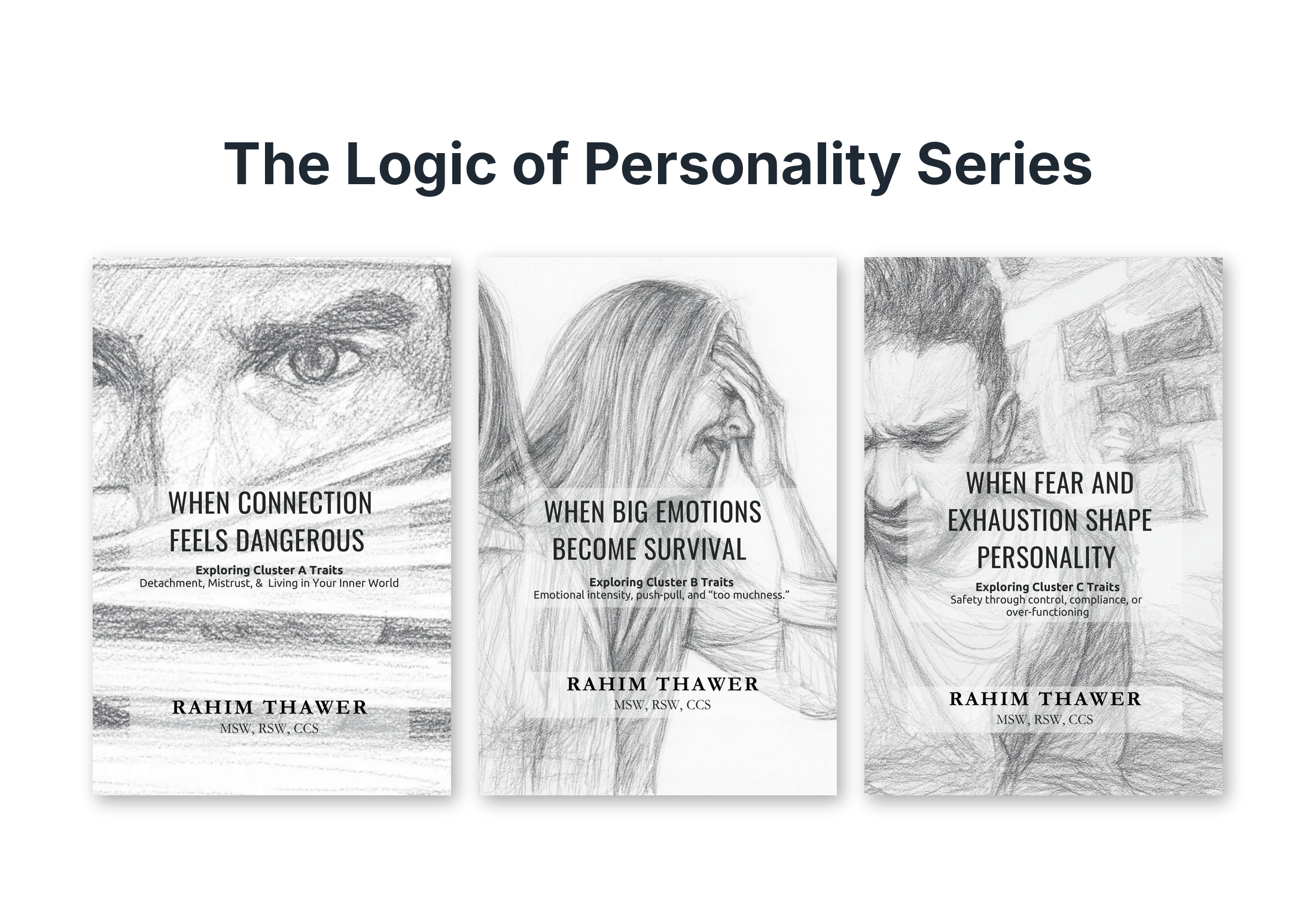
Part of the Logic of Personality Series, an accessible collection exploring personality as adaptive survival rather than pathology.
Discover how safer relationships begin with understanding the purpose your defenses once served.
Author: Rahim Thawer, MSW, RSW
Publisher: The Politicized Practitioner™
Publication Date: November 13, 2024
Language: English
Print Length: 111 pages
ISBN-13: 9798895901793
Item Weight: 7.8 ounces
Dimensions: 6 × 0.25 × 9 inches