

 Image 1 of 5
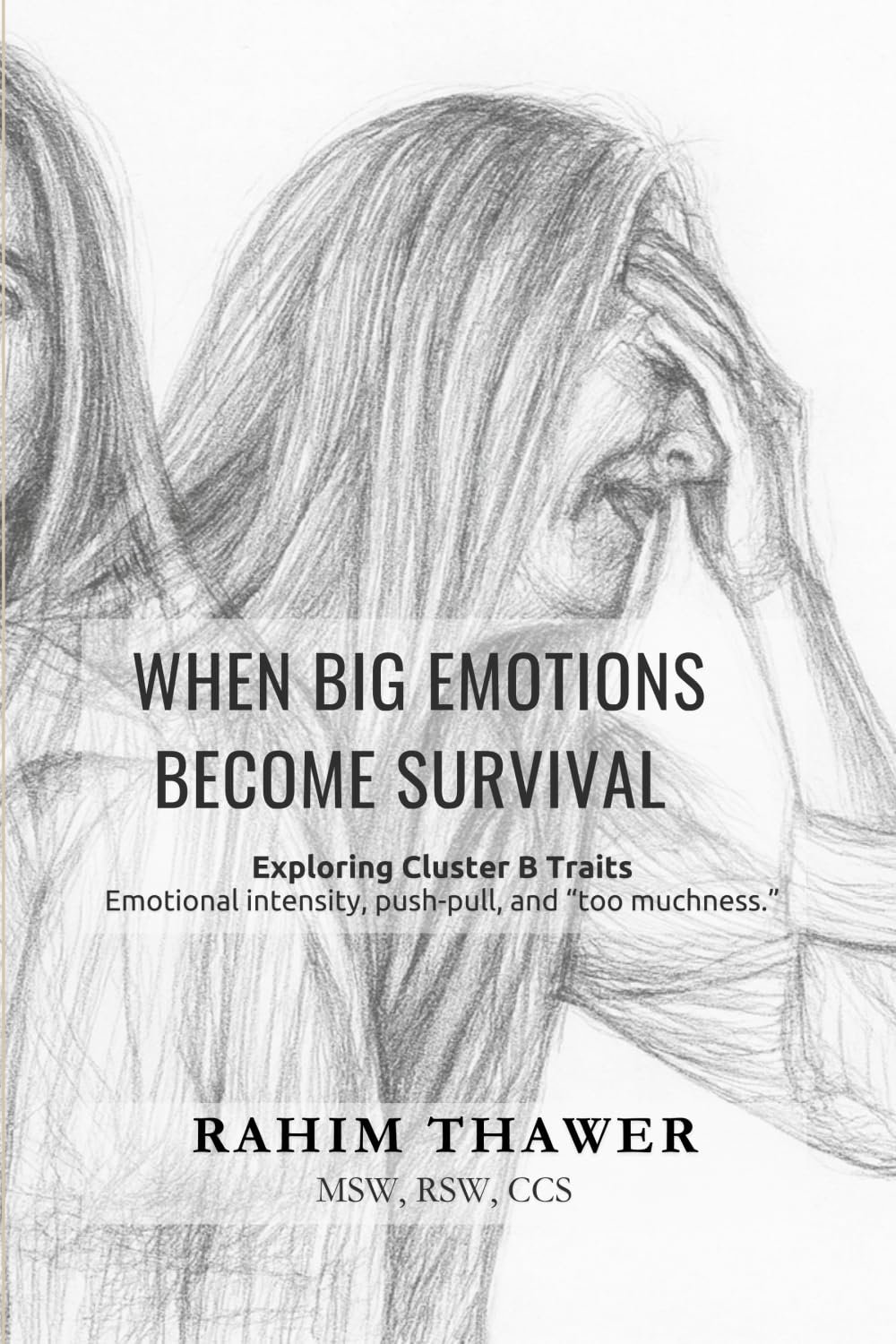 Image 2 of 5
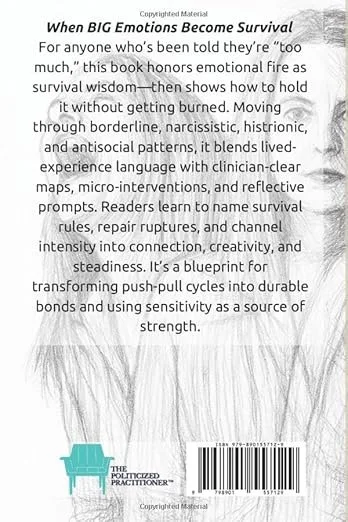 Image 3 of 5
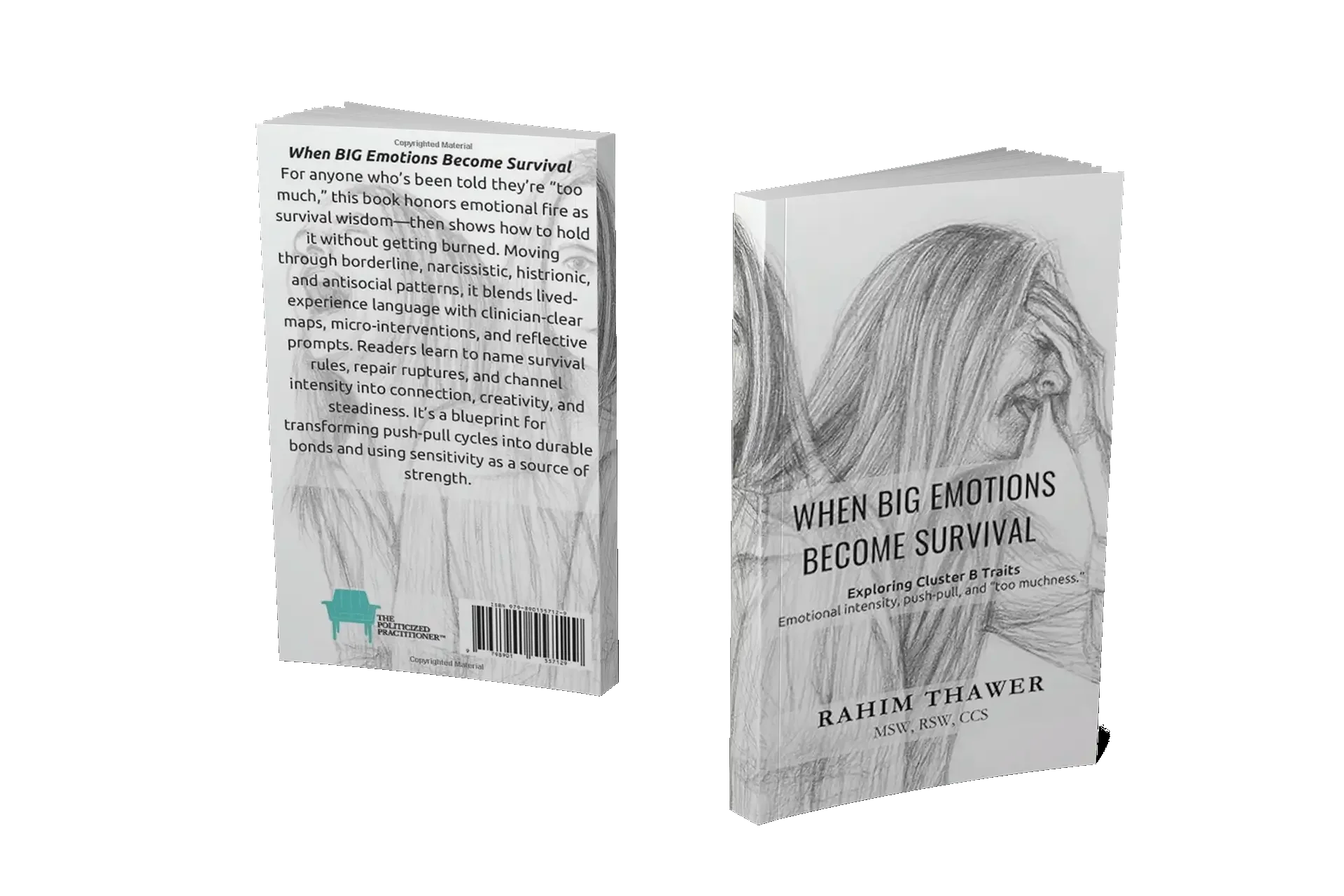 Image 4 of 5
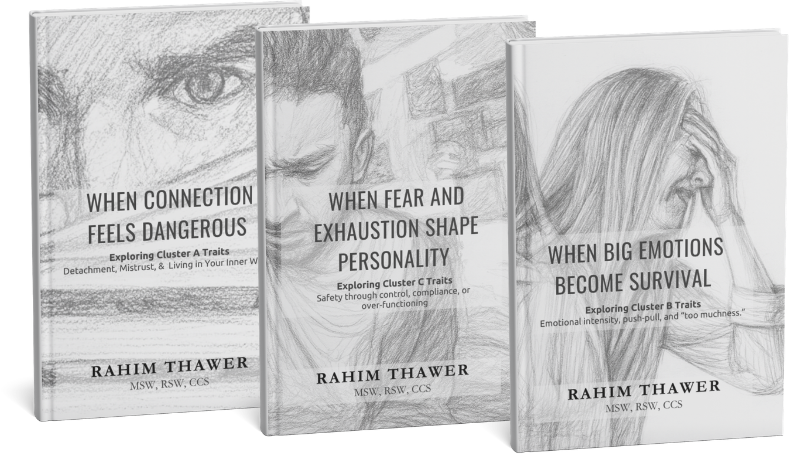 Image 5 of 5
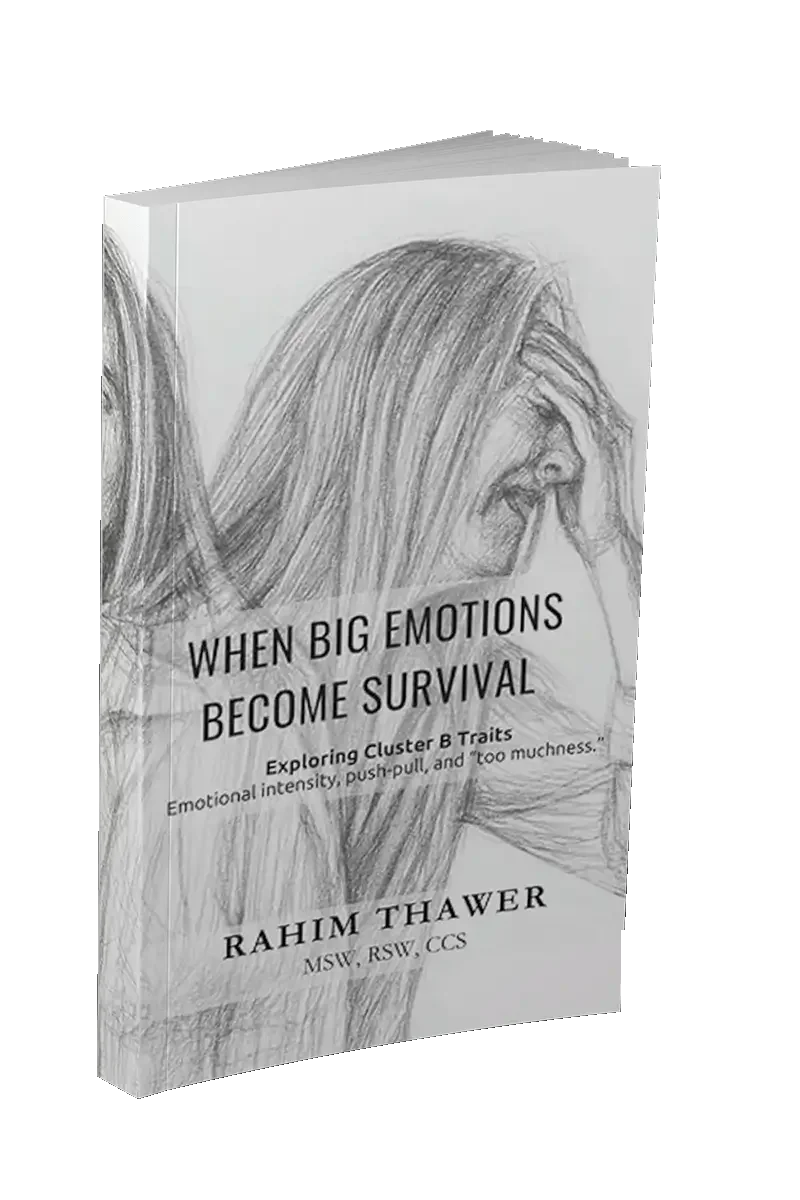
When Big Emotions Become Survival: Exploring Cluster B Traits (Paperback)
Some people feel everything—fast, deeply, and all at once.
Joy can feel electric. Rejection can feel unbearable. Anger can arrive like a firestorm. Love can feel urgent, consuming, and frightening. You may have been told you are “too much,” too dramatic, too reactive, too intense, or too hard to love. Or you may have learned to tell yourself those things.
But what if your intensity is not a character flaw?
What if your big emotions were not “too much,” but a survival strategy—a way your nervous system learned to protect you when safety, steadiness, or care were unreliable?
When Big Emotions Become Survival is a compassionate, practical guide to the personality patterns psychologists often group under Cluster B traits—including borderline, narcissistic, histrionic, and antisocial styles. These patterns are frequently described in clinical language as “dramatic,” “erratic,” or “disordered.” But that framing often misses the lived experience underneath: the fear of abandonment, the need to be seen, the need to stay in control, and the need to protect yourself from betrayal or humiliation.
This book offers a bridge between clinical labels and everyday reality. It explores Cluster B traits not as fixed diagnoses, but as protective adaptations—ways people learned to survive emotionally, relationally, and socially when life demanded intensity, performance, toughness, or control.
Inside, you’ll explore:
Why emotional intensity can feel like fire—both powerful and destructive
The difference between understanding a pattern and excusing harm
How shame, trauma, inconsistent attachment, and cultural pressures shape Cluster B traits
Why some people survive through visibility, charisma, and emotional performance
Why others survive through control, achievement, and the appearance of confidence
Why some survive through push-pull attachment, fear of abandonment, and relational urgency
Why some survive through toughness, mistrust, rebellion, or breaking rules to stay protected
How these patterns affect relationships, communication, boundaries, work, and self-worth
How to build emotional steadiness without losing your passion, sensitivity, or strength
Each chapter includes:
Mini self-checks to help you notice what resonates (without diagnosing yourself)
Realistic vignettes that bring the patterns to life with emotional honesty
Clear explanations of how each trait can be both adaptive and costly
CBT tools to identify survival rules, reduce impulsive reactions, and create more balanced thinking
Gestalt micro-interventions to build awareness in the moment and slow emotional escalation
Psychodynamic reflections to explore the origins of intensity and the deeper needs underneath it
Integration tools to help you keep what is valuable in your patterns while softening what causes harm
This book is written for:
People who recognize themselves in emotional intensity, relationship instability, or shame-driven performance
People who want to understand why love can feel urgent, frightening, or chaotic
People who struggle with anger, reactivity, impulsivity, or relational ruptures
Partners and loved ones trying to understand the emotional logic beneath these patterns
Therapists, social workers, and educators seeking language that is compassionate, precise, and usable
With clarity, compassion, and practical tools, this book helps you understand the emotional logic beneath Cluster B patterns—and begin building relationships that feel steadier, safer, and more real.
Some people feel everything—fast, deeply, and all at once.
Joy can feel electric. Rejection can feel unbearable. Anger can arrive like a firestorm. Love can feel urgent, consuming, and frightening. You may have been told you are “too much,” too dramatic, too reactive, too intense, or too hard to love. Or you may have learned to tell yourself those things.
But what if your intensity is not a character flaw?
What if your big emotions were not “too much,” but a survival strategy—a way your nervous system learned to protect you when safety, steadiness, or care were unreliable?
When Big Emotions Become Survival is a compassionate, practical guide to the personality patterns psychologists often group under Cluster B traits—including borderline, narcissistic, histrionic, and antisocial styles. These patterns are frequently described in clinical language as “dramatic,” “erratic,” or “disordered.” But that framing often misses the lived experience underneath: the fear of abandonment, the need to be seen, the need to stay in control, and the need to protect yourself from betrayal or humiliation.
This book offers a bridge between clinical labels and everyday reality. It explores Cluster B traits not as fixed diagnoses, but as protective adaptations—ways people learned to survive emotionally, relationally, and socially when life demanded intensity, performance, toughness, or control.
Inside, you’ll explore:
Why emotional intensity can feel like fire—both powerful and destructive
The difference between understanding a pattern and excusing harm
How shame, trauma, inconsistent attachment, and cultural pressures shape Cluster B traits
Why some people survive through visibility, charisma, and emotional performance
Why others survive through control, achievement, and the appearance of confidence
Why some survive through push-pull attachment, fear of abandonment, and relational urgency
Why some survive through toughness, mistrust, rebellion, or breaking rules to stay protected
How these patterns affect relationships, communication, boundaries, work, and self-worth
How to build emotional steadiness without losing your passion, sensitivity, or strength
Each chapter includes:
Mini self-checks to help you notice what resonates (without diagnosing yourself)
Realistic vignettes that bring the patterns to life with emotional honesty
Clear explanations of how each trait can be both adaptive and costly
CBT tools to identify survival rules, reduce impulsive reactions, and create more balanced thinking
Gestalt micro-interventions to build awareness in the moment and slow emotional escalation
Psychodynamic reflections to explore the origins of intensity and the deeper needs underneath it
Integration tools to help you keep what is valuable in your patterns while softening what causes harm
This book is written for:
People who recognize themselves in emotional intensity, relationship instability, or shame-driven performance
People who want to understand why love can feel urgent, frightening, or chaotic
People who struggle with anger, reactivity, impulsivity, or relational ruptures
Partners and loved ones trying to understand the emotional logic beneath these patterns
Therapists, social workers, and educators seeking language that is compassionate, precise, and usable
With clarity, compassion, and practical tools, this book helps you understand the emotional logic beneath Cluster B patterns—and begin building relationships that feel steadier, safer, and more real.
Author: Rahim Thawer, MSW, RSW
Publisher: The Politicized Practitioner™
Publication Date: November 13, 2024
Language: English
Print Length: 111 pages
ISBN-13: 9798895901793
Item Weight: 7.8 ounces
Dimensions: 6 × 0.25 × 9 inches