

 Image 1 of 5
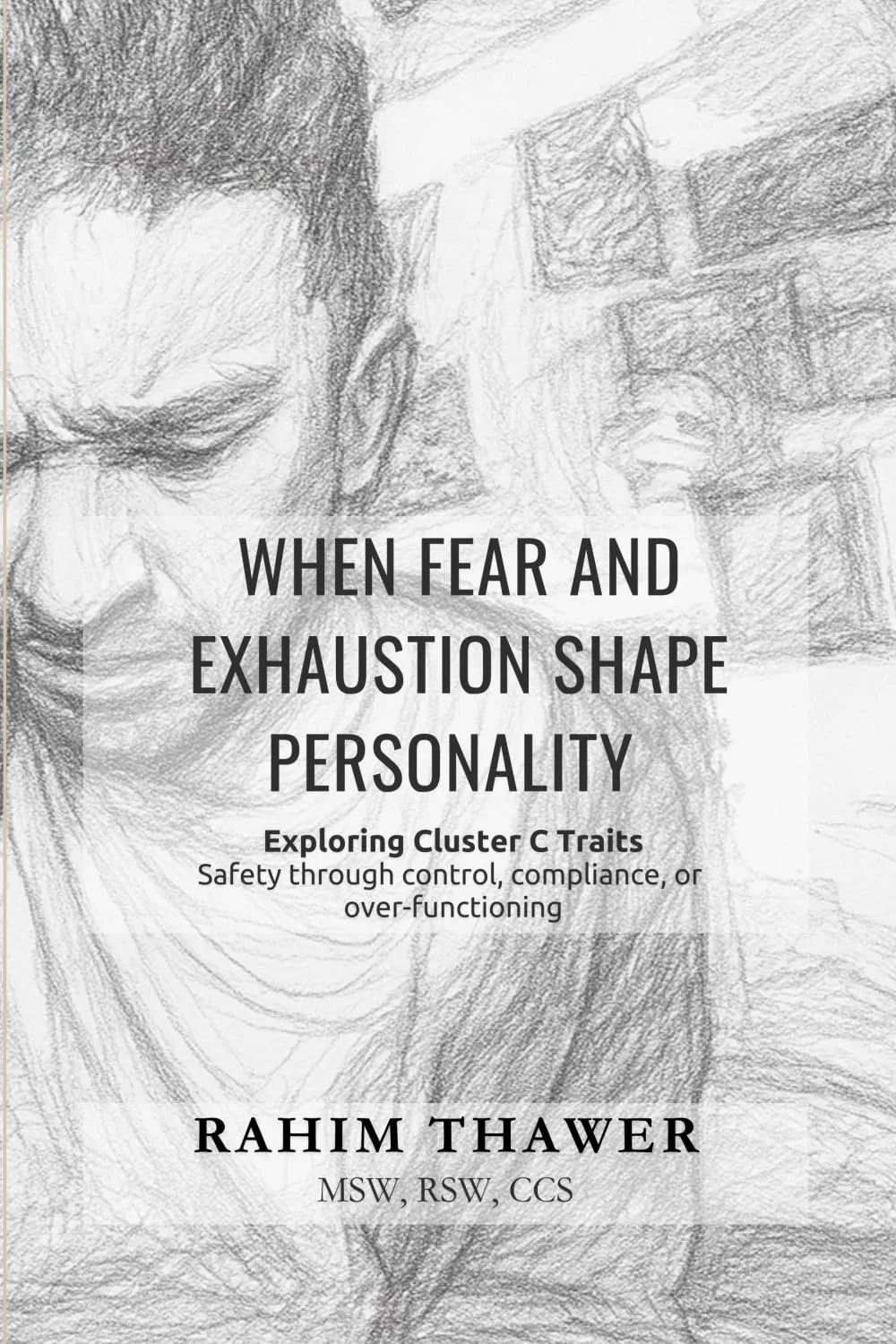 Image 2 of 5
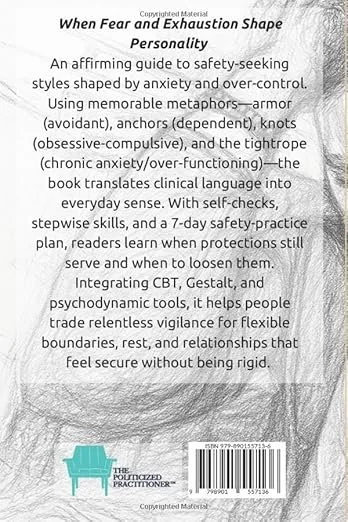 Image 3 of 5
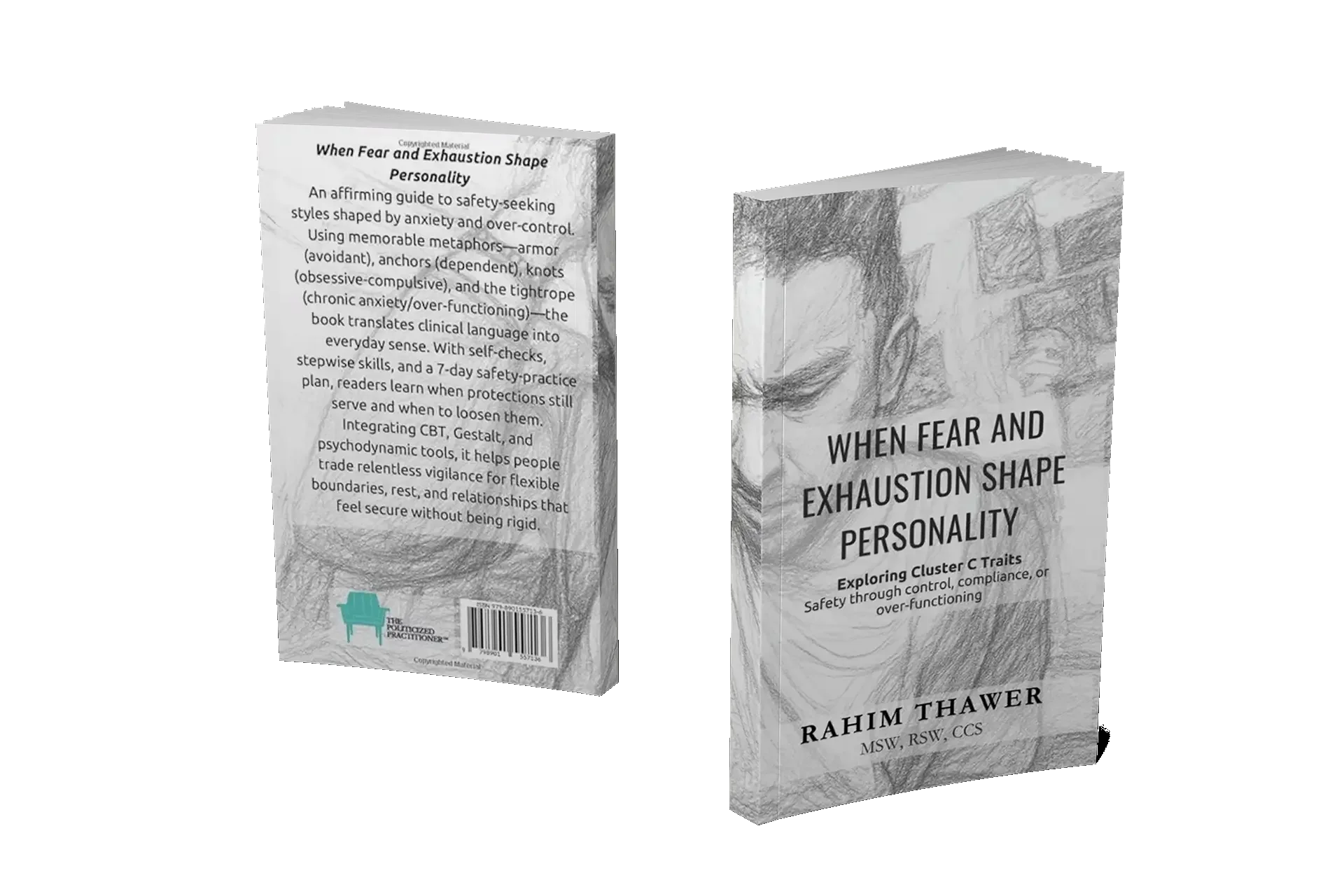 Image 4 of 5
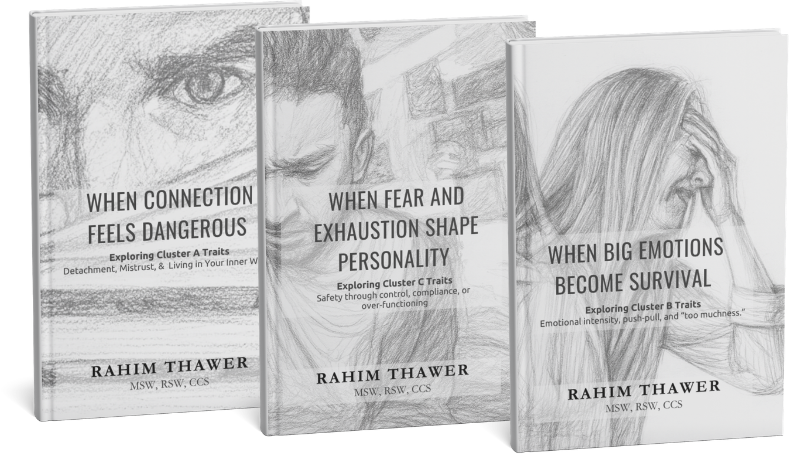 Image 5 of 5
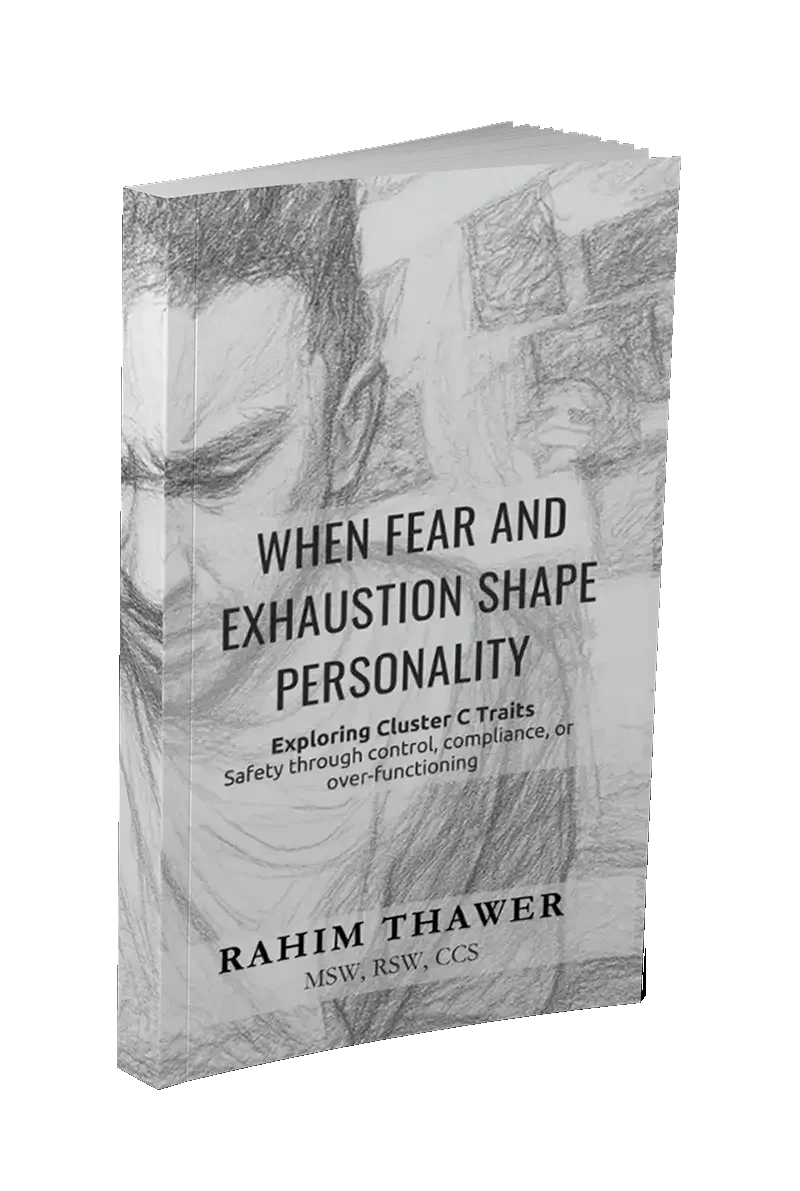
When Fear and Exhaustion Shape Personality: Exploring Cluster C Traits (Paperback)
Some people survive by being careful.
They plan. They prepare. They double-check. They avoid conflict. They try to do everything “right.” They over-function to keep life stable, predictable, and safe. From the outside, they may look responsible, dependable, even impressive.
But inside, they often feel exhausted.
Fear lives quietly in the background: fear of failure, fear of disapproval, fear of rejection, fear of abandonment, fear of getting it wrong. And over time, that fear can shape not only behavior, but identity.
When Fear and Exhaustion Shape Personality is a compassionate, accessible guide to the personality patterns psychologists describe as Cluster C traits—including avoidant, dependent, and obsessive-compulsive styles. These patterns are often labeled as anxious or fearful, but those words rarely capture what it actually feels like to live inside them: the constant vigilance, the tightness in the body, the endless “what ifs,” and the pressure to hold everything together.
This book also explores a lived experience not formally listed as a DSM diagnosis, but deeply familiar to many: the tightrope pattern—a high-functioning form of chronic anxiety where a person appears capable and composed while privately feeling tense, over-responsible, and emotionally drained.
Rather than treating these traits as disorders, this book frames them as protective adaptations—ways of staying safe in environments where love felt conditional, mistakes felt dangerous, or chaos felt unavoidable.
Inside, you’ll explore:
Why fear and control often sit at the center of Cluster C patterns
The difference between DSM categories and everyday lived experience
How avoidance becomes armor against shame and rejection
How dependency becomes anchors when separation feels unsafe
How obsessive-compulsive traits become knots that hold life together
How chronic anxiety becomes a tightrope walked with constant tension
The hidden strengths inside each pattern: loyalty, responsibility, attunement, care, and precision
The relational costs: self-silencing, perfectionism, resentment, exhaustion, and difficulty resting
How these traits show up in work, friendships, romance, family roles, and self-worth
Each chapter includes:
Mini self-checks to help you recognize patterns gently (without diagnosing yourself)
Human vignettes that bring each pattern to life with clarity and compassion
A dual-language approach that respects clinical frameworks while prioritizing reader-friendly meaning
Practical tools drawn from CBT, Gestalt therapy, and psychodynamic approaches
Small experiments for loosening fear-based habits without forcing yourself into unsafe exposure
An integration chapter with a 7-day safety practices plan and tools for building flexibility
This book is written for:
People who feel constantly responsible, cautious, or tense
People who over-function and still feel like it isn’t enough
People who fear conflict, judgment, abandonment, or making mistakes
People who want safety but are tired of what safety costs them
Therapists, social workers, educators, and clinicians looking for language that honors adaptation rather than pathology
When Fear and Exhaustion Shape Personality is not about pushing you to “stop being anxious” or “just be confident.” It is about understanding the survival logic beneath your caution and control—and learning how to soften these patterns without losing what they protect.
This book offers a steady, compassionate path toward that kind of change.
Some people survive by being careful.
They plan. They prepare. They double-check. They avoid conflict. They try to do everything “right.” They over-function to keep life stable, predictable, and safe. From the outside, they may look responsible, dependable, even impressive.
But inside, they often feel exhausted.
Fear lives quietly in the background: fear of failure, fear of disapproval, fear of rejection, fear of abandonment, fear of getting it wrong. And over time, that fear can shape not only behavior, but identity.
When Fear and Exhaustion Shape Personality is a compassionate, accessible guide to the personality patterns psychologists describe as Cluster C traits—including avoidant, dependent, and obsessive-compulsive styles. These patterns are often labeled as anxious or fearful, but those words rarely capture what it actually feels like to live inside them: the constant vigilance, the tightness in the body, the endless “what ifs,” and the pressure to hold everything together.
This book also explores a lived experience not formally listed as a DSM diagnosis, but deeply familiar to many: the tightrope pattern—a high-functioning form of chronic anxiety where a person appears capable and composed while privately feeling tense, over-responsible, and emotionally drained.
Rather than treating these traits as disorders, this book frames them as protective adaptations—ways of staying safe in environments where love felt conditional, mistakes felt dangerous, or chaos felt unavoidable.
Inside, you’ll explore:
Why fear and control often sit at the center of Cluster C patterns
The difference between DSM categories and everyday lived experience
How avoidance becomes armor against shame and rejection
How dependency becomes anchors when separation feels unsafe
How obsessive-compulsive traits become knots that hold life together
How chronic anxiety becomes a tightrope walked with constant tension
The hidden strengths inside each pattern: loyalty, responsibility, attunement, care, and precision
The relational costs: self-silencing, perfectionism, resentment, exhaustion, and difficulty resting
How these traits show up in work, friendships, romance, family roles, and self-worth
Each chapter includes:
Mini self-checks to help you recognize patterns gently (without diagnosing yourself)
Human vignettes that bring each pattern to life with clarity and compassion
A dual-language approach that respects clinical frameworks while prioritizing reader-friendly meaning
Practical tools drawn from CBT, Gestalt therapy, and psychodynamic approaches
Small experiments for loosening fear-based habits without forcing yourself into unsafe exposure
An integration chapter with a 7-day safety practices plan and tools for building flexibility
This book is written for:
People who feel constantly responsible, cautious, or tense
People who over-function and still feel like it isn’t enough
People who fear conflict, judgment, abandonment, or making mistakes
People who want safety but are tired of what safety costs them
Therapists, social workers, educators, and clinicians looking for language that honors adaptation rather than pathology
When Fear and Exhaustion Shape Personality is not about pushing you to “stop being anxious” or “just be confident.” It is about understanding the survival logic beneath your caution and control—and learning how to soften these patterns without losing what they protect.
This book offers a steady, compassionate path toward that kind of change.
Author: Rahim Thawer, MSW, RSW
Publisher: The Politicized Practitioner™
Publication Date: November 13, 2024
Language: English
Print Length: 111 pages
ISBN-13: 9798895901793
Item Weight: 7.8 ounces
Dimensions: 6 × 0.25 × 9 inches