

 Image 1 of 5
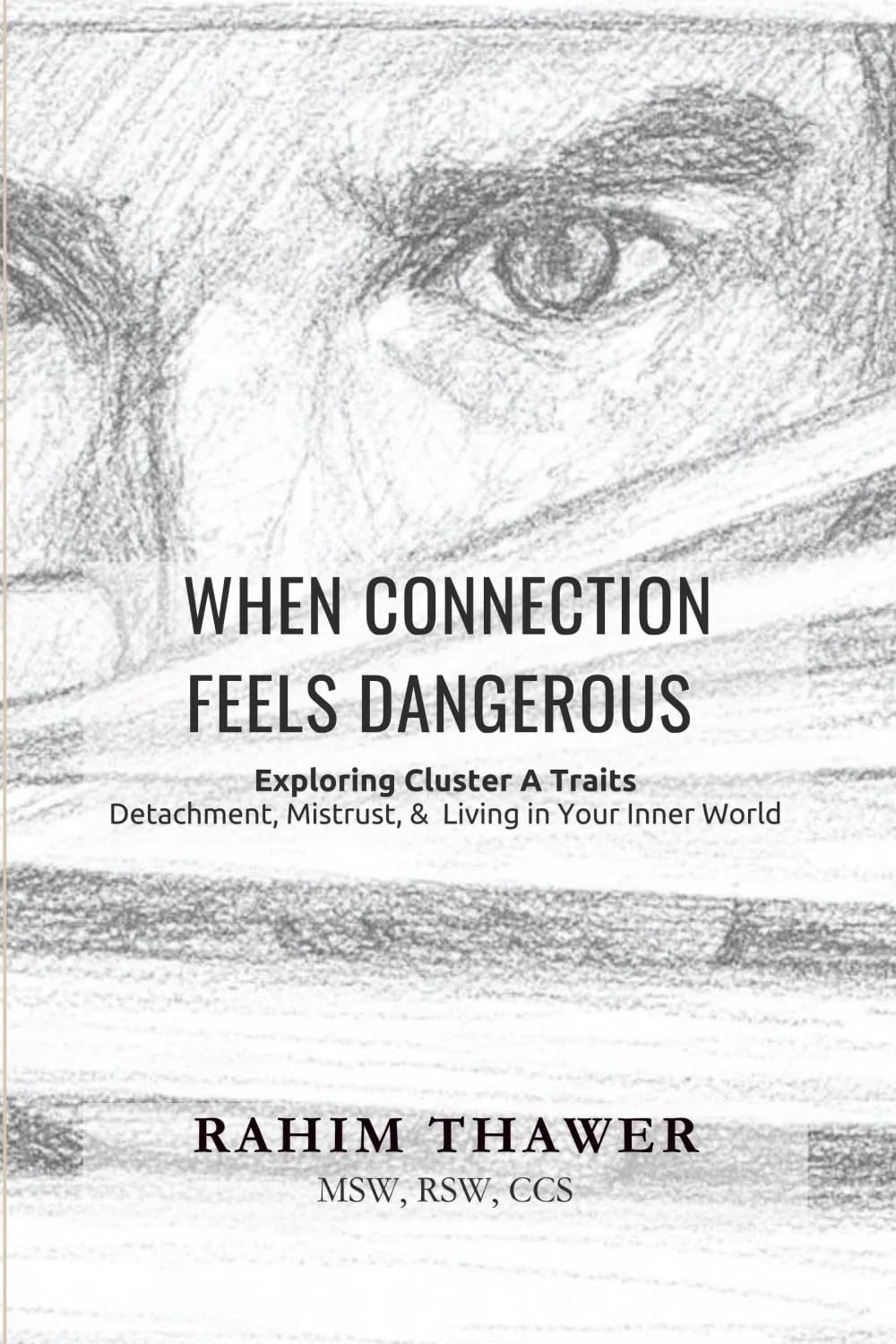 Image 2 of 5
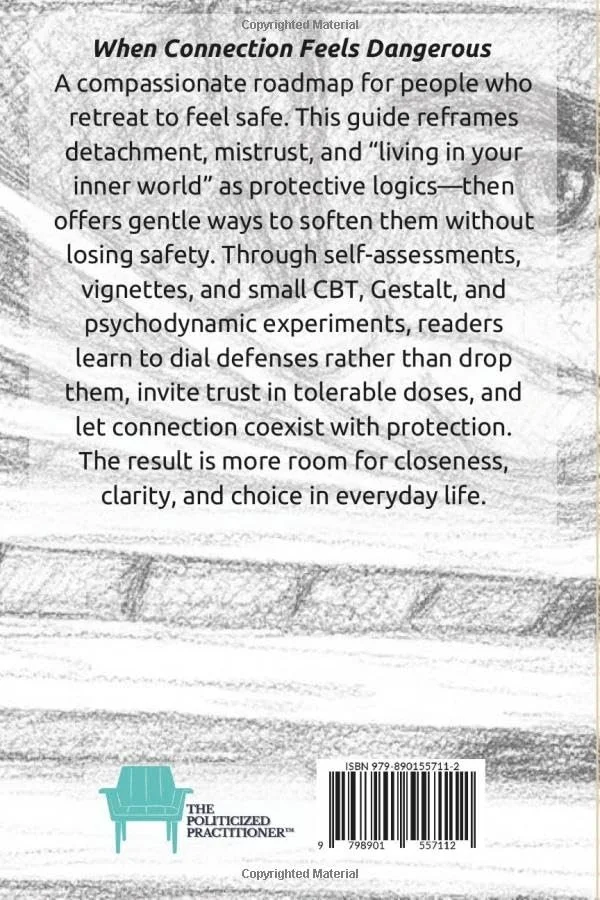 Image 3 of 5
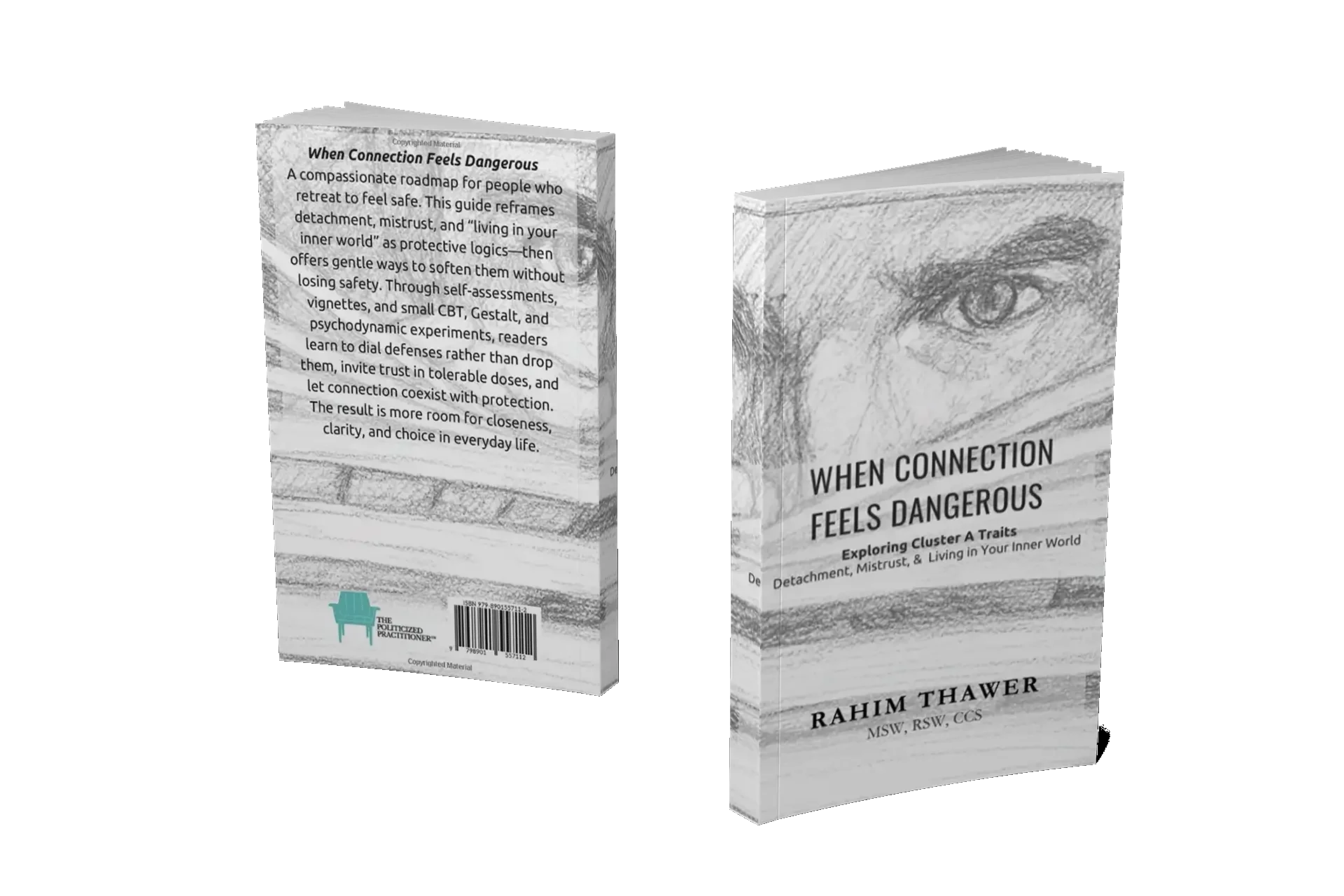 Image 4 of 5
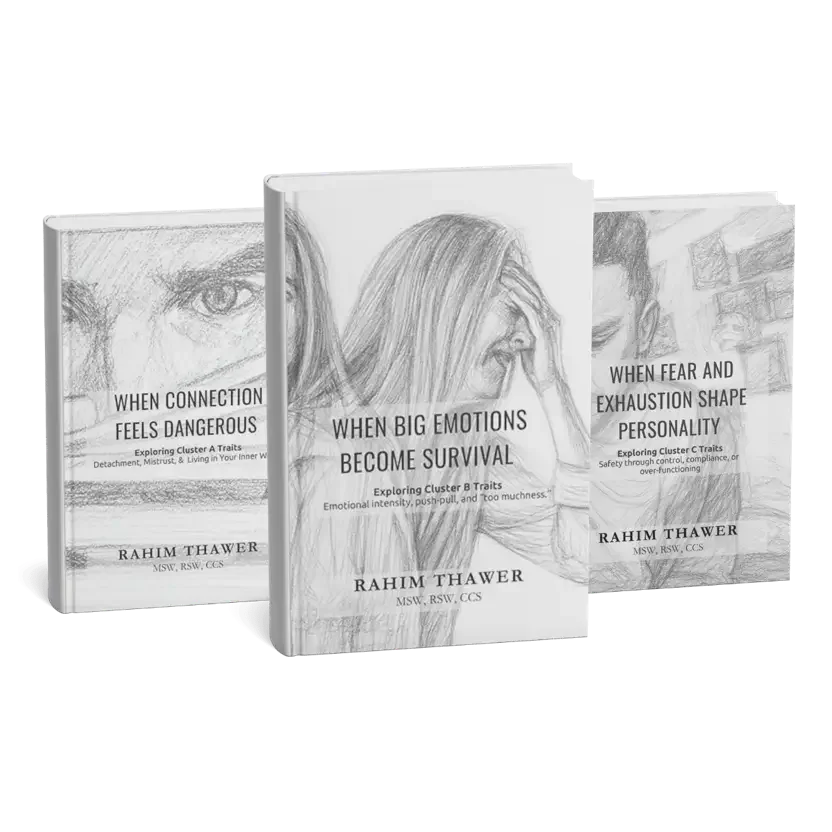 Image 5 of 5
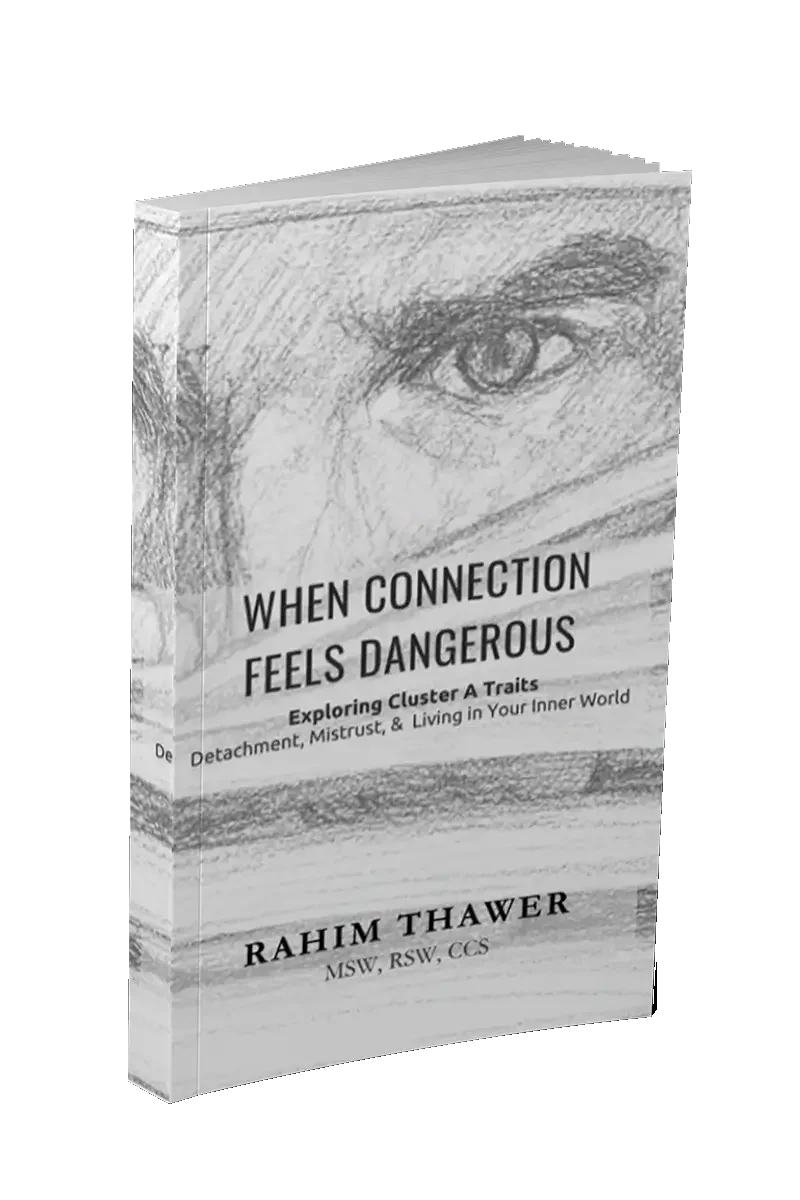
When Connection Feels Dangerous: Exploring Cluster A Traits (Paperback)
Some people long for connection but feel safest at a distance.
You might be able to socialize, work, and function on the outside—while privately feeling guarded, watchful, or emotionally removed. You may struggle to trust others, assume betrayal is coming, or feel more at home in your inner world than in relationships. You may not identify with a diagnosis, but you recognize the pattern: closeness feels complicated, and safety often seems to require withdrawal.
When Connection Feels Dangerous is a compassionate, accessible guide to the personality patterns psychologists describe as Cluster A traits—including paranoid, schizoid, and schizotypal styles. Rather than treating these patterns as “disorders,” this book frames them as protective strategies: intelligent ways of adapting to environments where closeness once felt unsafe, inconsistent, or emotionally costly.
This book offers a bridge between clinical language and lived experience. It translates DSM concepts into human terms, while honoring the real pain and real intelligence behind these adaptations. It also introduces an additional theme often overlooked in diagnostic manuals: the dysphoric pattern—a chronic emotional heaviness and anticipatory sadness that frequently travels alongside detachment and mistrust.
Inside, you’ll explore:
Why distance can feel protective—and why it can become isolating over time
The difference between clinical diagnoses and everyday personality patterns
How mistrust, withdrawal, and emotional dulling develop as forms of survival
The inner experience behind Cluster A traits, including sensitivity, fear of harm, and fear of exposure
The relational impact of these patterns in friendships, romance, work, and family
Why “being independent” can sometimes be strength—and sometimes a form of armor
How chronic vigilance can become exhausting, even when it feels necessary
How to soften defenses without forcing yourself into unsafe closeness
This book includes:
Mini self-checks at the start of each chapter to help you identify what resonates (without diagnosing yourself)
Vignettes that bring each pattern to life in realistic, human stories
CBT tools for reality-testing assumptions, reducing rigid fear-based beliefs, and experimenting with safer connection
Gestalt interventions that support emotional awareness and present-moment clarity
Psychodynamic reflections to help you understand the roots of your protective strategies and the “logic” beneath them
Practical exercises and “small experiments” to help you build more flexible ways of relating
This book is not a substitute for therapy. It is a guide for people who want language, clarity, and tools—whether you are doing personal work, supporting a loved one, or working as a practitioner.
If you have ever felt that connection comes with risk, that being open invites harm, or that trust feels like a gamble, this book offers a new frame:
You are not damaged.
You are protective.
And your defenses can become more flexible.
With compassion, structure, and practical steps, When Connection Feels Dangerous helps you understand the survival logic behind detachment and mistrust—and offers a path toward safer connection that doesn’t require abandoning your need for safety.
Some people long for connection but feel safest at a distance.
You might be able to socialize, work, and function on the outside—while privately feeling guarded, watchful, or emotionally removed. You may struggle to trust others, assume betrayal is coming, or feel more at home in your inner world than in relationships. You may not identify with a diagnosis, but you recognize the pattern: closeness feels complicated, and safety often seems to require withdrawal.
When Connection Feels Dangerous is a compassionate, accessible guide to the personality patterns psychologists describe as Cluster A traits—including paranoid, schizoid, and schizotypal styles. Rather than treating these patterns as “disorders,” this book frames them as protective strategies: intelligent ways of adapting to environments where closeness once felt unsafe, inconsistent, or emotionally costly.
This book offers a bridge between clinical language and lived experience. It translates DSM concepts into human terms, while honoring the real pain and real intelligence behind these adaptations. It also introduces an additional theme often overlooked in diagnostic manuals: the dysphoric pattern—a chronic emotional heaviness and anticipatory sadness that frequently travels alongside detachment and mistrust.
Inside, you’ll explore:
Why distance can feel protective—and why it can become isolating over time
The difference between clinical diagnoses and everyday personality patterns
How mistrust, withdrawal, and emotional dulling develop as forms of survival
The inner experience behind Cluster A traits, including sensitivity, fear of harm, and fear of exposure
The relational impact of these patterns in friendships, romance, work, and family
Why “being independent” can sometimes be strength—and sometimes a form of armor
How chronic vigilance can become exhausting, even when it feels necessary
How to soften defenses without forcing yourself into unsafe closeness
This book includes:
Mini self-checks at the start of each chapter to help you identify what resonates (without diagnosing yourself)
Vignettes that bring each pattern to life in realistic, human stories
CBT tools for reality-testing assumptions, reducing rigid fear-based beliefs, and experimenting with safer connection
Gestalt interventions that support emotional awareness and present-moment clarity
Psychodynamic reflections to help you understand the roots of your protective strategies and the “logic” beneath them
Practical exercises and “small experiments” to help you build more flexible ways of relating
This book is not a substitute for therapy. It is a guide for people who want language, clarity, and tools—whether you are doing personal work, supporting a loved one, or working as a practitioner.
If you have ever felt that connection comes with risk, that being open invites harm, or that trust feels like a gamble, this book offers a new frame:
You are not damaged.
You are protective.
And your defenses can become more flexible.
With compassion, structure, and practical steps, When Connection Feels Dangerous helps you understand the survival logic behind detachment and mistrust—and offers a path toward safer connection that doesn’t require abandoning your need for safety.
Author: Rahim Thawer, MSW, RSW
Publisher: The Politicized Practitioner™
Publication Date: November 13, 2024
Language: English
Print Length: 111 pages
ISBN-13: 9798895901793
Item Weight: 7.8 ounces
Dimensions: 6 × 0.25 × 9 inches