Publication: December 1, 2025 | Publisher: KDP
Why I Developed it / When it Helps
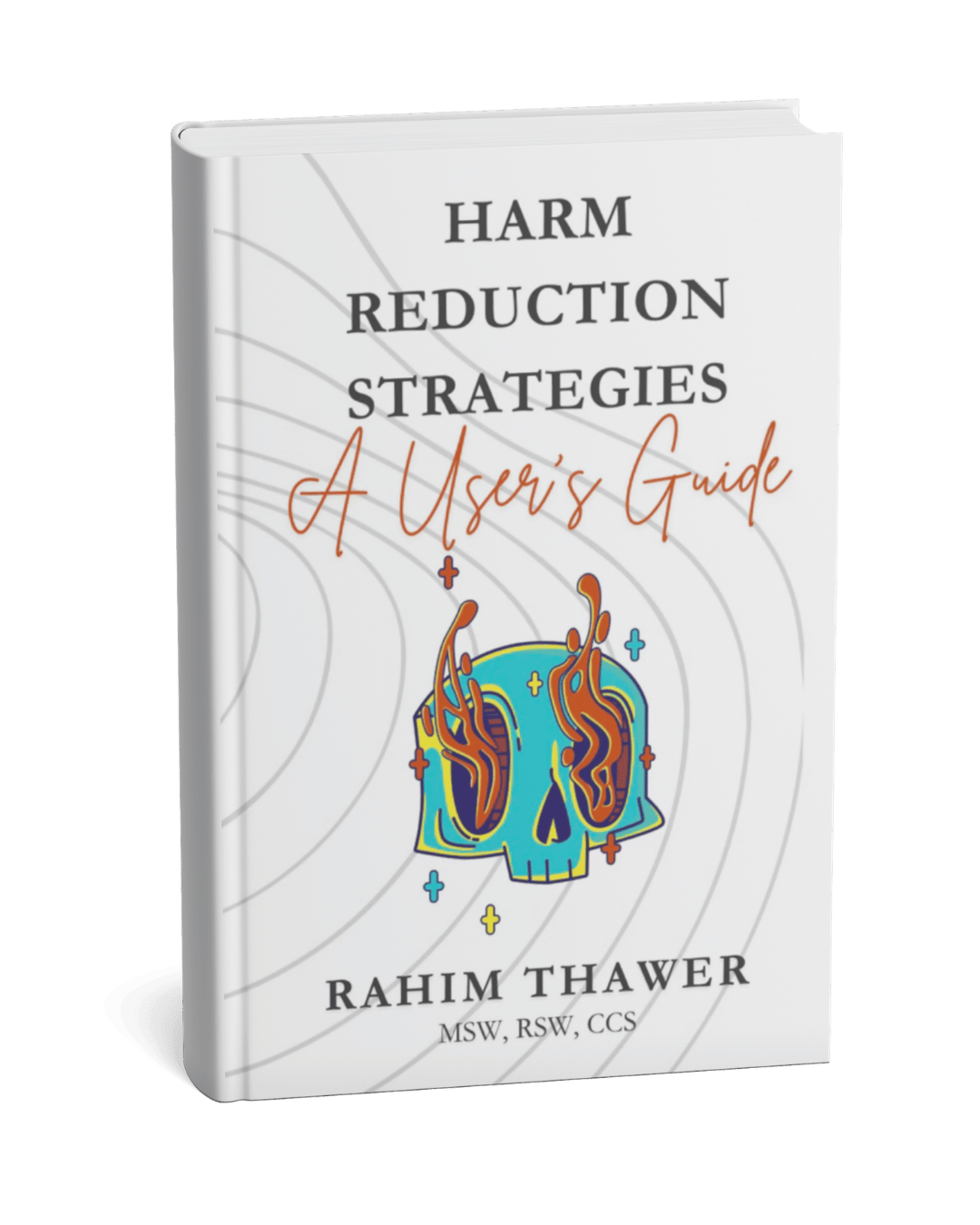
My harm-reduction workbook grew from years of front-line work and workshops with harm-reduction clinicians and people who use drugs. Too many clinical resources either moralize use or offer abstract advice; this guide is a compact, nonjudgmental toolkit that turns harm-reduction principles into stepwise practices: safety planning, stigma navigation, safer-use strategies, and emotional regulation. I wrote it for people who want practical, dignity-affirming steps to reduce harms and for clinicians who need a brief, client-ready workbook that privileges autonomy and lived experience. Use it when substance use is part of the presenting concern and safety and decision-making — not abstinence alone — are clinical goals.
Who it’s For
People who use substances and their supporters; clinicians who favour pragmatic, autonomy-centred approaches.
Publication: December 1, 2025 | Publisher: KDP
Why I Developed it / When it Helps
My harm-reduction workbook grew from years of front-line work and workshops with harm-reduction clinicians and people who use drugs. Too many clinical resources either moralize use or offer abstract advice; this guide is a compact, nonjudgmental toolkit that turns harm-reduction principles into stepwise practices: safety planning, stigma navigation, safer-use strategies, and emotional regulation. I wrote it for people who want practical, dignity-affirming steps to reduce harms and for clinicians who need a brief, client-ready workbook that privileges autonomy and lived experience. Use it when substance use is part of the presenting concern and safety and decision-making — not abstinence alone — are clinical goals.
Who it’s For
People who use substances and their supporters; clinicians who favour pragmatic, autonomy-centred approaches.